How to Start a Tow Truck Business: Step-by-Step Guide
Starting a tow truck business requires obtaining a commercial driver’s license, purchasing specialized towing equipment, and securing high-limit liability insurance. Success in this industry depends on meeting local licensing requirements and establishing a reliable service area to handle vehicle recoveries, accidents, and roadside assistance calls.
This guide provides a clear path for individuals ready to enter the vehicle recovery industry. It covers the legal, financial, and operational steps needed to build a functional towing service. This overview, incorporating industry standards and operational requirements, serves to help new owners establish a professional and sustainable presence.
Develop a Comprehensive Business Plan
A business plan serves as the foundation for any new company. It must define the specific services offered, such as emergency roadside assistance, vehicle repossession, or heavy-duty towing. Each niche requires different equipment and certifications. For example, local roadside assistance focuses on smaller flatbeds, while heavy-duty towing involves specialized rigs for tractor-trailers.
Market research is a primary part of this plan. Owners should identify the number of competitors in their city and determine if there is enough demand from local police departments, motor clubs, or private property owners. A well-defined plan also helps when seeking financing from banks, as it proves the owner understands the startup costs and the long-term revenue potential of the business.
Legal Requirements and Licensing
Operating a tow truck business involves strict state and federal regulations. Most states require a specialized towing license or a business permit specific to vehicle transportation. According to The Federal Motor Carrier Safety Administration, businesses that operate commercial vehicles across state lines or meet certain weight requirements must also obtain a USDOT number.
Drivers typically need a Commercial Driver’s License (CDL), especially if the truck and the vehicle being towed exceed a combined weight of 26,001 pounds. Even for lighter trucks, many states require a "for-hire" endorsement on a standard driver’s license. Registering the business as a Limited Liability Company (LLC) or a Corporation is also a standard step to protect personal assets from business liabilities.
Bonus Tip: Check with local city hall regarding storage lot requirements. Many municipalities require tow businesses to have a fenced, secure yard if they plan to store impounded vehicles.
Select the Right Towing Equipment
The type of truck purchased determines the jobs the business can accept. New owners must choose between several common styles based on their target market.
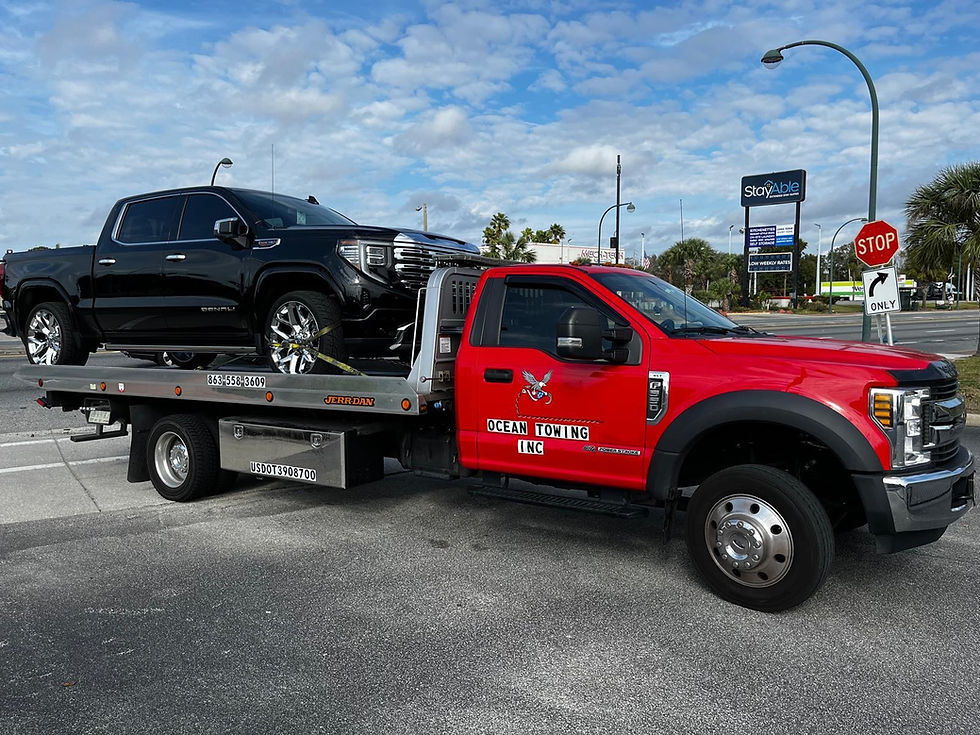
Flatbed Trucks: These feature a hydraulic bed that tilts to the ground. They are preferred for luxury cars and damaged vehicles because they keep the car entirely off the road.
Wheel-Lift Trucks: These use a metal yoke to lift either the front or rear wheels. They are faster for quick pickups and work well in tight city spaces or parking garages.
Integrated Tow Trucks: These are heavy-duty vehicles built for large rigs and buses. They have extra arms for stability and power.
Startup Cost Estimates for Basic Equipment
The following table outlines the expected costs for various trucks and essential gear.
Equipment Type | Estimated Cost (Used) | Estimated Cost (New) | Primary Use |
Flatbed Truck | $45,000 - $70,000 | $100,000 - $150,000 | Long distance and accident recovery |
Wheel-Lift Truck | $30,000 - $55,000 | $85,000 - $120,000 | Repossessions and city towing |
Heavy-Duty Rig | $150,000 - $250,000 | $400,000+ | Semi-trucks and buses |
Safety Gear (Chains, Lights, Vests) | $2,000 | $5,000 | Driver safety and load security |
Insurance and Liability Coverage
Insurance is one of the highest ongoing expenses for a towing company. Standard auto insurance is insufficient. Owners need "On-Hook" coverage, which protects the vehicle being towed if it is damaged during transport. Garagekeepers legal liability is also necessary if the business operates a storage lot, as it covers cars parked at the facility.
According to data from Progressive Commercial, tow truck insurance rates are influenced by the driver's experience, the age of the equipment, and the types of vehicles being moved. General liability insurance is also required to protect against third-party bodily injury or property damage claims.
Market Data and Financial Outlook
To support the financial planning mentioned earlier, current market data reflects a steady industry outlook. Vehicle breakdowns and accidents occur regardless of financial trends, ensuring consistent demand. A report from Grand View Research indicates that demand for towing services is increasing due to the rising average age of vehicles on the road, which leads to more frequent mechanical failures.
Furthermore, data from IBISWorld suggests that the towing industry in the United States generates billions in annual revenue, with growth linked to increased motor vehicle registrations. Owners who position themselves in high-traffic corridors or near busy intersections often see the fastest return on investment.
Marketing and Finding Customers
A tow truck business cannot rely solely on luck to find customers. Building a steady stream of work requires several different approaches.
Motor Clubs: Many new businesses sign contracts with organizations like AAA or Geico. These clubs provide a high volume of calls, though the pay per call is usually lower than private rates.
Police Rotation: Contacting local police departments to get on the "accident rotation" list is a reliable way to get work. This usually requires proof of insurance and a quick response time.
Local SEO: Most people search for "tow truck near me" on their phones during an emergency. Having a verified business profile on search engines and a simple website is essential.
Property Contracts: Working with apartment complexes or shopping centers to remove unauthorized vehicles provides consistent passive income.
Bonus Tip: Use high-visibility decals on the truck. A clean, brightly painted truck with a clear phone number acts as a moving billboard every time it is on the road.
Things to Consider Before Making a Decision
Before buying equipment, potential owners must evaluate the physical and mental demands of the job. Towing is not a standard nine-to-five profession. Most successful companies offer 24-hour service, meaning the owner or employees must be ready to work in rain, snow, or late at night.
The physical risk is another factor. Working on the side of a busy highway is dangerous. Drivers must have a high level of situational awareness and a commitment to safety protocols. Finally, the financial commitment is significant. Beyond the truck purchase, fuel costs, tire replacements, and hydraulic maintenance can drain cash flow if not managed properly.
Common Questions About Starting a Towing Business
Individuals often ask if they can start with just one truck. It is possible to begin as an owner-operator with a single vehicle, allowing the owner to learn the market and build capital before hiring additional drivers. Another common question involves the difficulty of getting insurance. New businesses without a track record may face higher premiums initially, so maintaining a clean personal driving record is a major advantage.
People also wonder about the best way to price their services. Most companies charge a base "hook fee" plus a per-mile rate. Researching local competitors helps set a price that is fair but profitable. It is also wise to check rates at least twice a year to account for changing fuel prices.
Practical Frequently Asked Questions
What is the average cost to start a tow truck business?
Most entrepreneurs need between $75,000 and $150,000 to start. This includes the down payment on a truck, insurance deposits, licensing fees, and initial marketing. Costs are lower if the owner starts with a used vehicle.
Do I need a special lot to store cars?
If the business focuses only on roadside assistance (jumpstarts, tire changes) or towing cars to repair shops, a storage lot might not be necessary. However, if the business handles police impounds or repossessions, a secure, fenced lot is usually a legal requirement.
How much can a tow truck owner earn?
Earnings vary by location and service type. An owner-operator can see gross revenues between $100,000 and $200,000 per year, but profit margins depend heavily on how well they control fuel and maintenance expenses.
Is it better to buy a flatbed or a wheel-lift truck first?
A flatbed is generally more versatile for a new business because it can safely transport all-wheel-drive vehicles and cars with heavy damage. It is often the preferred choice for insurance companies and motor clubs.
Final Recommendations
Starting a tow truck business requires a blend of mechanical skill and business management. Success comes from selecting a specific market niche, maintaining high safety standards, and keeping equipment in top condition. New owners should focus on building strong relationships with local authorities and motor clubs to ensure a steady volume of calls. Evaluate the local market and financial requirements carefully before purchasing the first truck to ensure long-term stability in the industry.
Direct Assistance for Towing Needs
Reliable vehicle transport is the backbone of the towing industry. If a situation requires professional equipment or expert recovery, reaching out to experienced operators ensures the job is done safely. Ocean Towing provides professional support and can be reached via email at Oceanfortowing@gmail.com or by phone at 1 863-558-3609. Whether looking for information or requiring immediate service, contact Ocean Towing for dependable assistance and industry expertise.
Sources
The Federal Motor Carrier Safety Administration - Provides federal guidelines for commercial vehicle registration and USDOT requirements.
Grand View Research - Offers market analysis and growth trends for the global towing services industry.
IBISWorld - A source for economic data and revenue statistics regarding the towing industry in the United States.
Progressive Commercial - Detailed information on the specific types of insurance coverage required for tow trucks.